
What are you actually paying for when your neighborhood hires contract constables?
Residents in most of the Greater Heights pay for additional constable patrol. Here’s how the program works, what those deputies do and what happens when a crime is reported.
If your neighborhood pays for contract constable patrol, what are you actually paying for?
That’s a question I started looking into after hearing from some of you who wanted to better understand what that extra patrol coverage means, particularly when a crime actually happens.
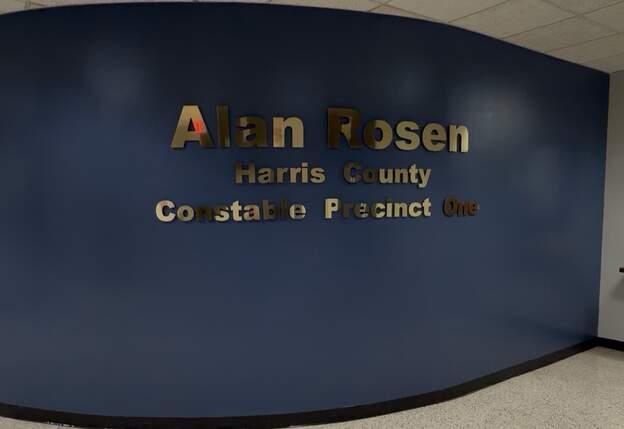
I spoke with Harris County Precinct 1 constables, whose jurisdiction includes the Greater Heights, to learn more about how the program works.
What do you think?
Share your thoughts in the comments.
Houston Heights is among the neighborhoods with contract patrol.
But how does a neighborhood get a contract, and what does it actually provide?
How contract patrol works
Contract patrol starts with the neighborhood.
When a neighborhood enters into a contract with the constable’s office, it pays for deputies specifically assigned to that contract.
If a neighborhood contracts for eight or nine deputies, for example, those are not regular Precinct 1 deputies being pulled away from their normal shifts. They are contract deputies specifically hired to that job.
The same deputies also patrol the same streets, allowing them to become familiar with the neighborhood, the people who live there and what normally belongs there.
That familiarity can help deputies recognize when something looks out of place.
In addition to routine patrol, contract deputies can provide traffic enforcement and vacation or special watches for residents who are out of town or have a particular concern.
The contracts also have different levels of coverage.
Precinct 1 offers 70%, 80% and 100% coverage options. The cost of the program is shared between Harris County and the contracting entity.
For example, under a 70/30 contract, the contracting entity pays 70% while Harris County covers the remaining 30%.
The coverage percentage corresponds to the amount of a deputy’s workday assigned to the contract. The remaining time can be used as needed for other operational duties, including reports and paperwork.
What happens when someone calls 911?
One of the biggest questions is what happens when a resident actually needs help.
If someone calls 911 in a neighborhood with contract patrol and a contract deputy is already nearby, the deputy will respond to the scene as part of the initial public safety response.
That deputy may document what happened and file a report, or take on the investigation themselves. Or, depending on the crime, the investigation may be handed off to another law enforcement agency, including the Houston Police Department.
Keep in mind, contract patrol is additional law enforcement coverage that a neighborhood pays for. It does not mean the neighborhood has its own separate police department or that contract deputies replace regular police services.
Instead, those deputies provide an additional presence on neighborhood streets while working within the larger law enforcement system.
And for neighborhoods that choose to pay for that additional coverage, the goal is not only having deputies respond when something happens, but having deputies who regularly know the streets they are patrolling and the communities they serve.
Did I answer your questions? What else do you want to know about contracted constables?